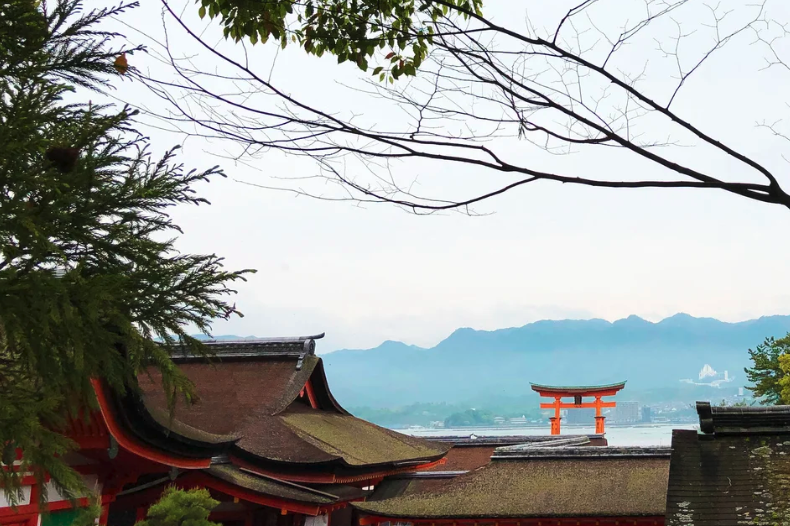
architecTUres in tokyo
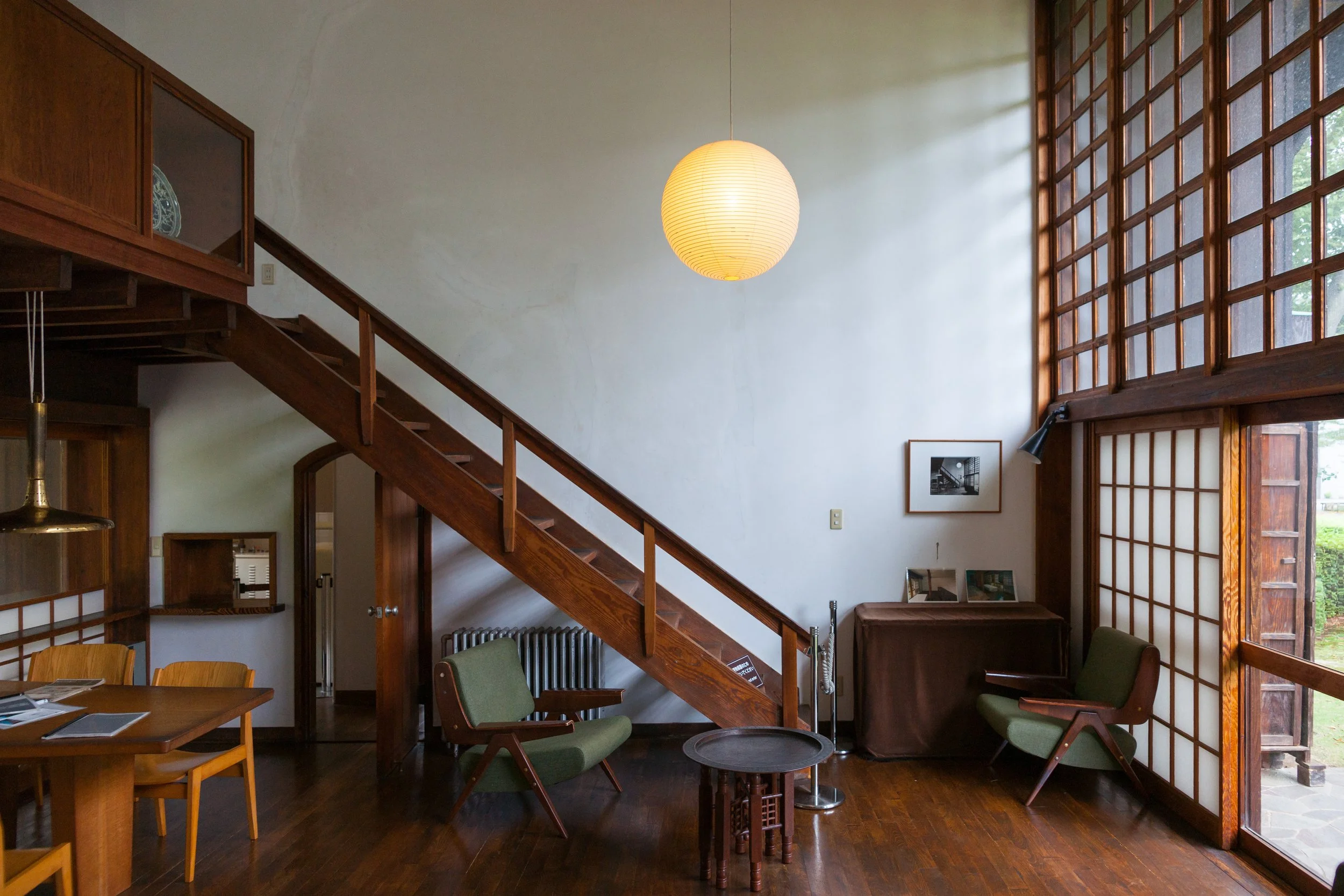
Kunio Maekawa House @Takahiro USUI, Flickr
About Architectures in Tokyo
To truly understand Tokyo's architecture, one must walk the city and observe the constant transitions. Moving through the urban space is a fundamental part of the Tokyo experience, revealing a continuous dialogue that spans centuries. This conversation ranges from the serene interiors crafted by unknown carpenters to the expressive modern forms designed by world-renowned architects.
Looking for a particular topic? Jump down from the links below:
Tokyo Comprehensive Architecture Tour with Professional
Tokyo Fashion Architecture Tour with Professional
Architect Riken Yamamoto Interview
Architect Kengo Kuma Interview
The Legacy of Edo: Townhouses (machiya)
The Edo-period established an architectural precedent for adaptability and hierarchy. These structures were designed not by named architects, but by master carpenters whose expertise prioritized function and societal structure. Their work treated architecture as a framework for daily life, valuing simple materials and versatile spaces.
Yanaka Historic Machiya (Yanaka)
Representing a rare surviving streetscape of Edo-period wooden townhouses, this area offers an intimate glimpse into the traditional, everyday urban environment of the city's past.
Edo-Tokyo Open Air Architectural Museum (Koganei)
A curated landscape of historic buildings relocated from across Tokyo. Townhouses, farm dwellings, and early modern structures reveal how architecture shaped everyday life from the Edo to Showa periods. Walking through the site feels less like visiting a museum, and more like stepping gently into the city’s past.
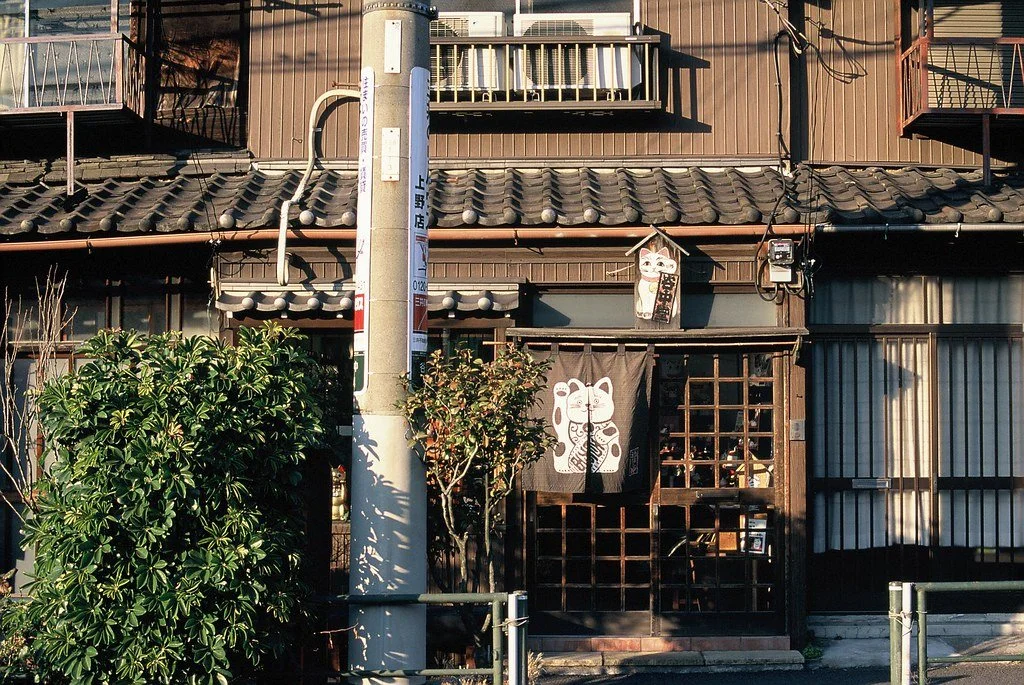
Machiya in Yanaka @ Hajime Nagai, Flickr
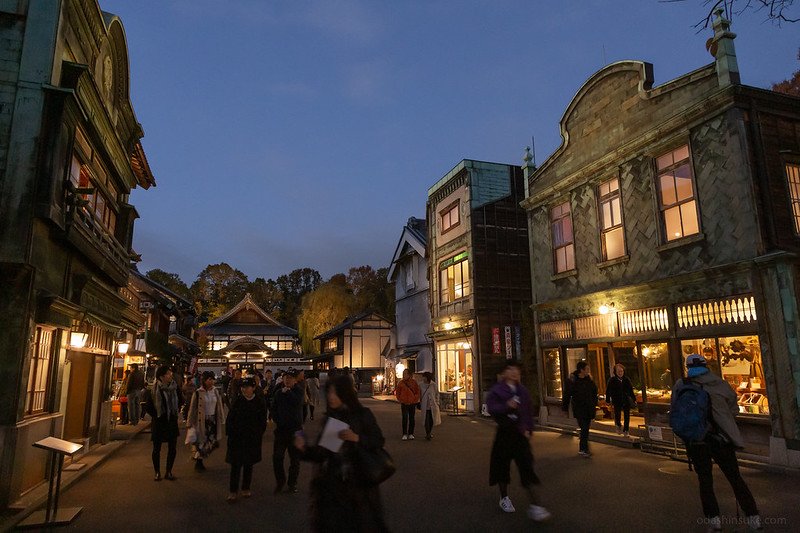
Edo-Tokyo Open Air Architectural Museum @Shinsuke ODA , Flickr
Spiritual Architecture: Shrines and Temples
The city's spiritual heart lies in its shrines and temples, crafted by miyadaiku, specialist architectural craftsmen. Their designs are governed by principles of ritual movement, precise proportion, and harmony with nature, creating sacred spaces that guide the visitor's experience.
Meiji Jingu Shrine (Harajuku)
This monumental Shinto architecture is notable for its immense scale and its setting within a dense, man-made forest, symbolizing a powerful connection between nature and the divine.
Joshin-ji Temple (Jiyugaoka)
Kuhonbutsu Joshinji Temple features classic Edo-period Jodo Buddhist architecture, including the distinct Sanbutsudo with 9 Amida Buddha statues, a copper-roofed Hondo housing a large Shaka Nyorai statue, and the impressive 1793 Nio-mon Gate. The large grounds also include a traditional dry landscape garden, showcasing significant religious artistry in venerable timber construction.
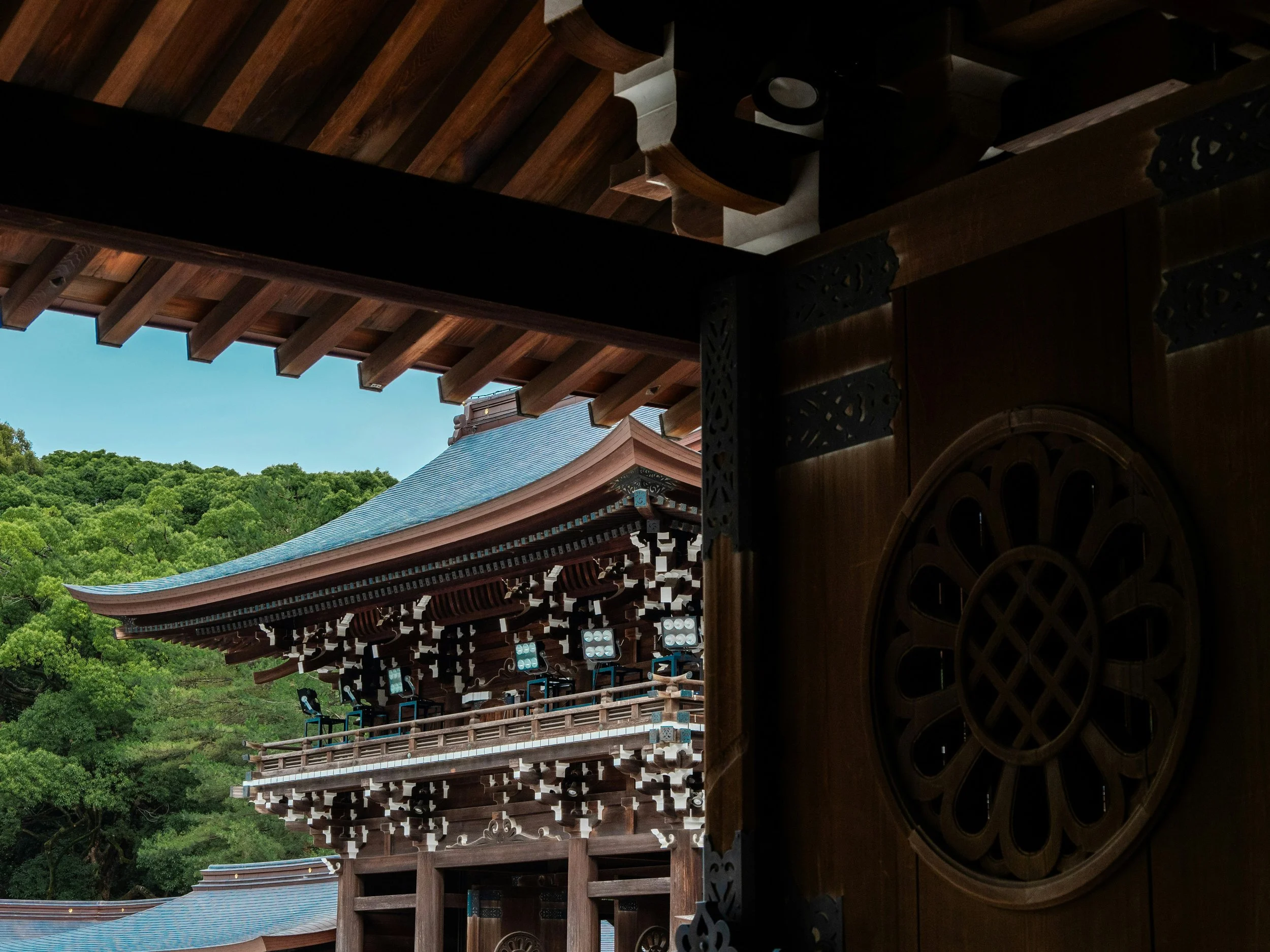
Meiji Jingu Shrine @ YANGHONG YU, Unsplash
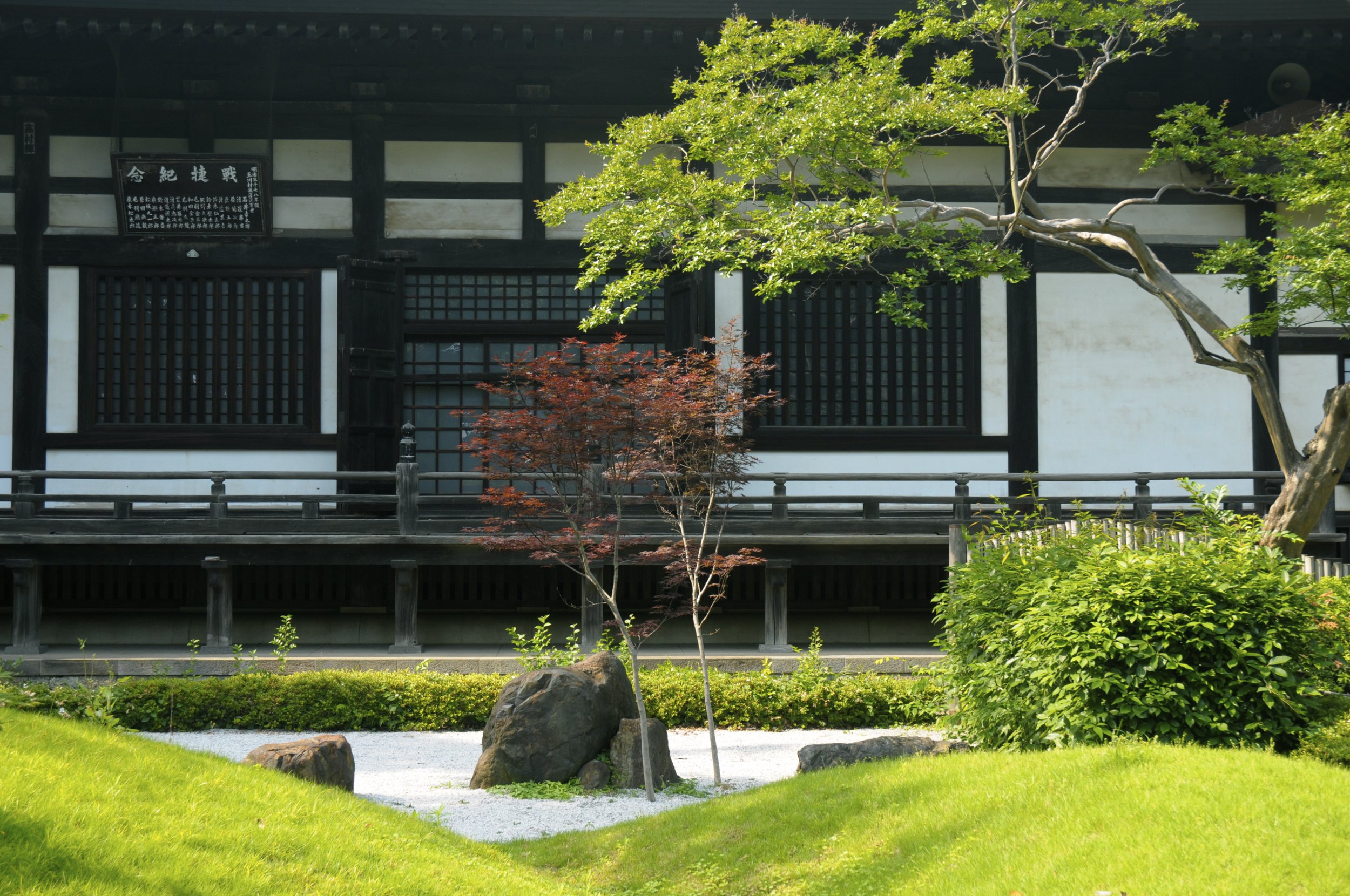
Joshinji Temple @ Saname777, Flickr
Refined Minimalism: Japanese Tea Houses
Sukiya architecture, originally shaped by the philosophical demands of the tea ceremony, values restraint, texture, and atmosphere. This tradition, historically driven by tea masters and patrons, is today being thoughtfully reinterpreted by contemporary architects.
Hamarikyu Teien Tea House (Chuo)
A classic example of a chaya (tea house) set within a former feudal garden, it perfectly expresses the wabi-sabi aesthetic, the beauty of imperfection and transience.
Nezu Museum Garden Pavilion (Aoyama)
A small architectural retreat embedded within the Nezu Museum garden. Defined by proportion, natural materials, and controlled views, the tea house blurs the boundary between interior and landscape. Every element (thresholds, openings, and circulation) is designed to slow movement and heighten awareness of space.
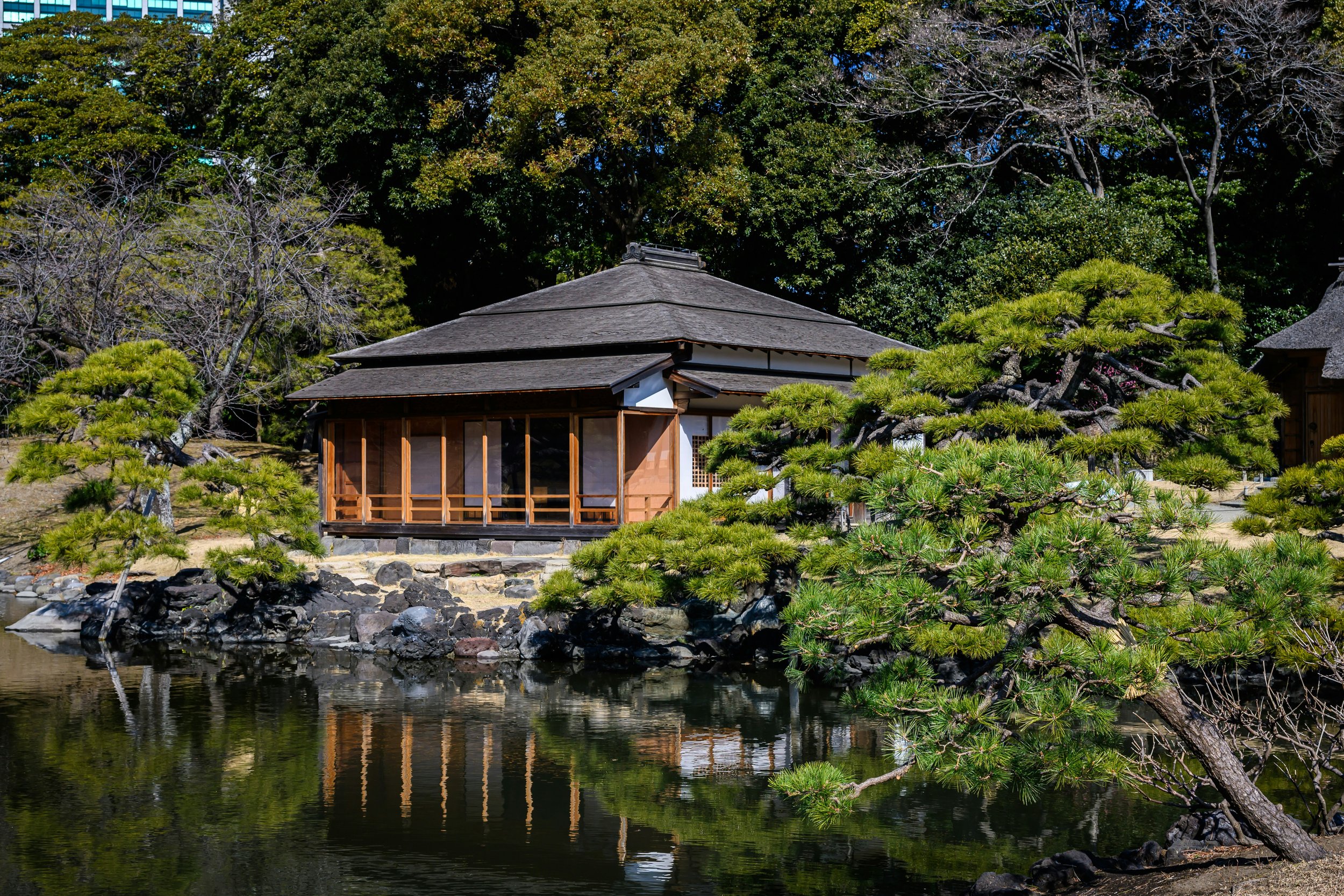
Hmarikyu Tea House @ pen_ash, Unsplash
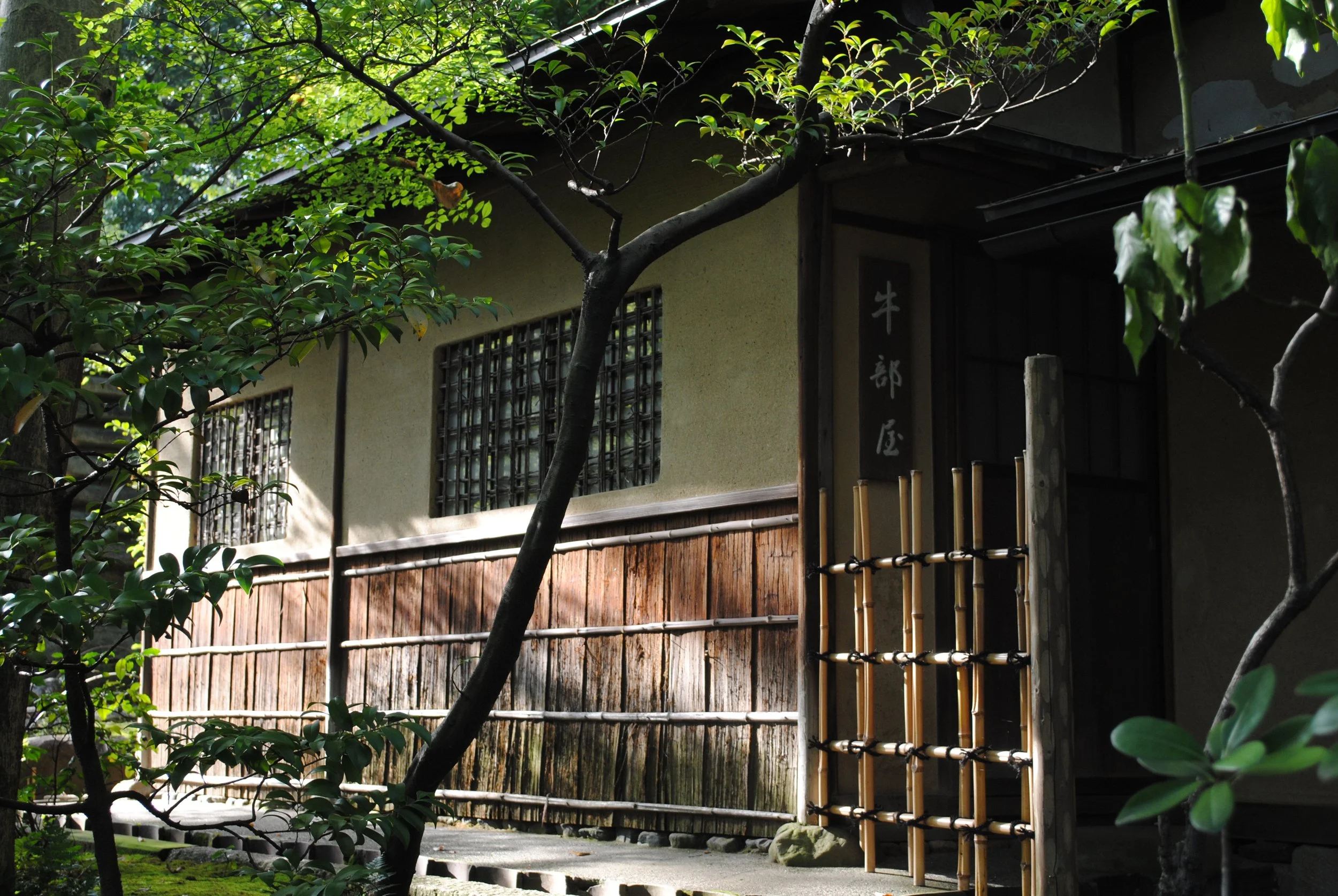
Nezu Museum Tea House @ NaomiQYTL, Flickr
Absorption and Adaptation: Early Modern (Meiji–Taisho–Early Showa)
As Japan moved into the modern era, a significant period of cultural exchange began. Western architectural language was absorbed and uniquely adapted by both foreign specialists and Japanese architects trained abroad. The focus was on blending new forms with indigenous needs, particularly related to the Japanese climate and seismic activity.
Tokyo Station (Marunouchi)
Designed by Tatsuno Kingo, this iconic red-brick landmark stands as a powerful symbol of Japan’s national identity and its successful modernization.
Bank of Japan Head Office (Nihonbashi)
Also by Tatsuno Kingo, this neo-classical structure is a notable example of Western style adapted to the specific challenges of its location, including resilience to earthquakes.
Former Furukawa Garden Western Residence (Kita)
Designed by Josiah Conder, this site pairs a grand Western mansion with a harmonious traditional Japanese garden, symbolizing the era's dual architectural influences.
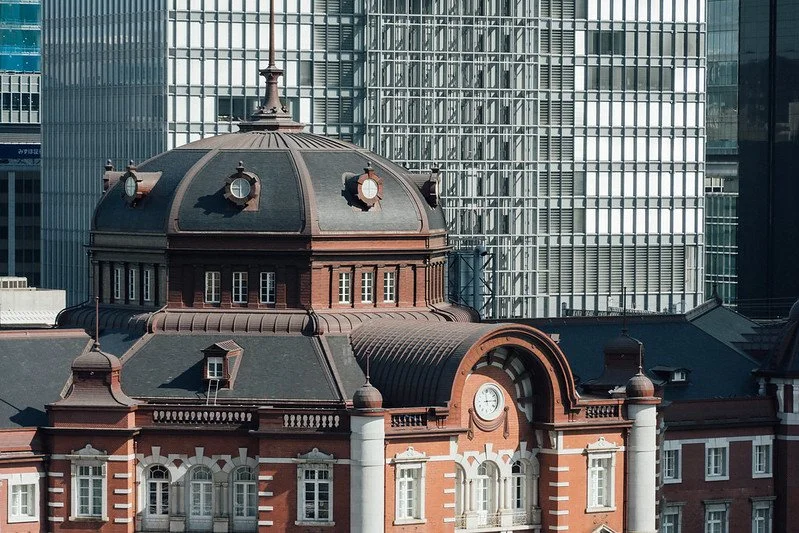
Tokyo Station @ Beni Arnold, Flickr
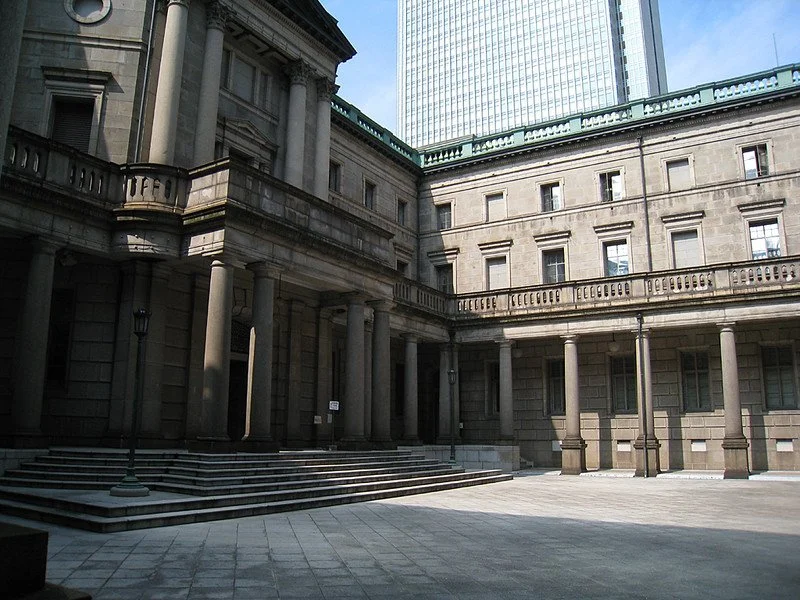
Bank of Japan Head Office @ yuki_september, Flickr
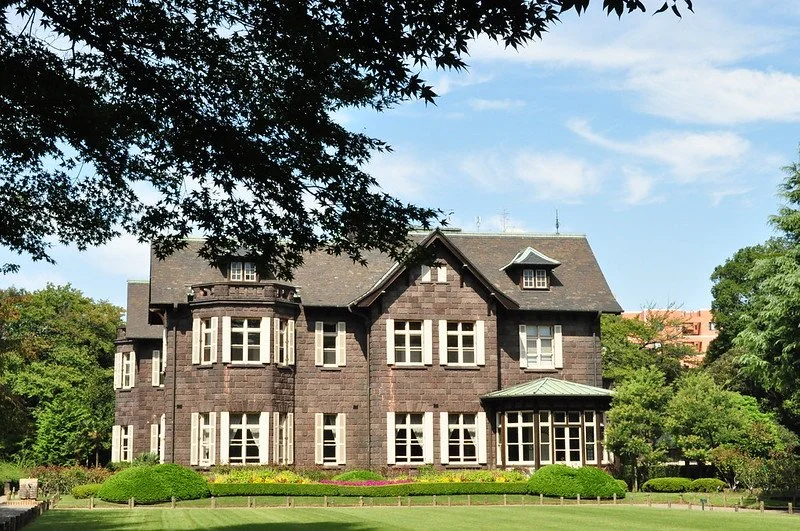
Former Furukawa Residence @ kinoko_no, Flickr
Experimentation and Material Sensitivity: Contemporary (Postwar to Present)
Contemporary Tokyo architecture is characterized by a drive for experimentation within constraint. Following the devastation of the war, a new generation of architects, including Yoshio Taniguchi, Tadao Ando, and Kengo Kuma, redefined Japanese modernism with a focus on material sensitivity and innovative structure.
Kadokawa Musashino Museum (Tokorozawa)
Kadokawa Musashino Museum is one of Kengo Kuma’s most uncharacteristically radical works. Rejecting his usual soft, wooden, porous language, Kuma designed the building as a monolithic, faceted rock, a deliberate response to the digital age and the weight of accumulated knowledge.
21_21 DESIGN SIGHT (Roppongi)
Designed by Tadao Ando, this work exemplifies his minimalist approach, embedding striking, simple architectural forms into the natural landscape.
The Gallery of Hōryūji Treasures (Ueno)
The Gallery of Horyuji Treasures embodies Yoshio Taniguchi’s philosophy of extreme restraint. Designed to house some of Japan’s most sacred Buddhist artifacts, the architecture intentionally steps back, creating a calm, timeless environment where objects (not the building) hold authority.
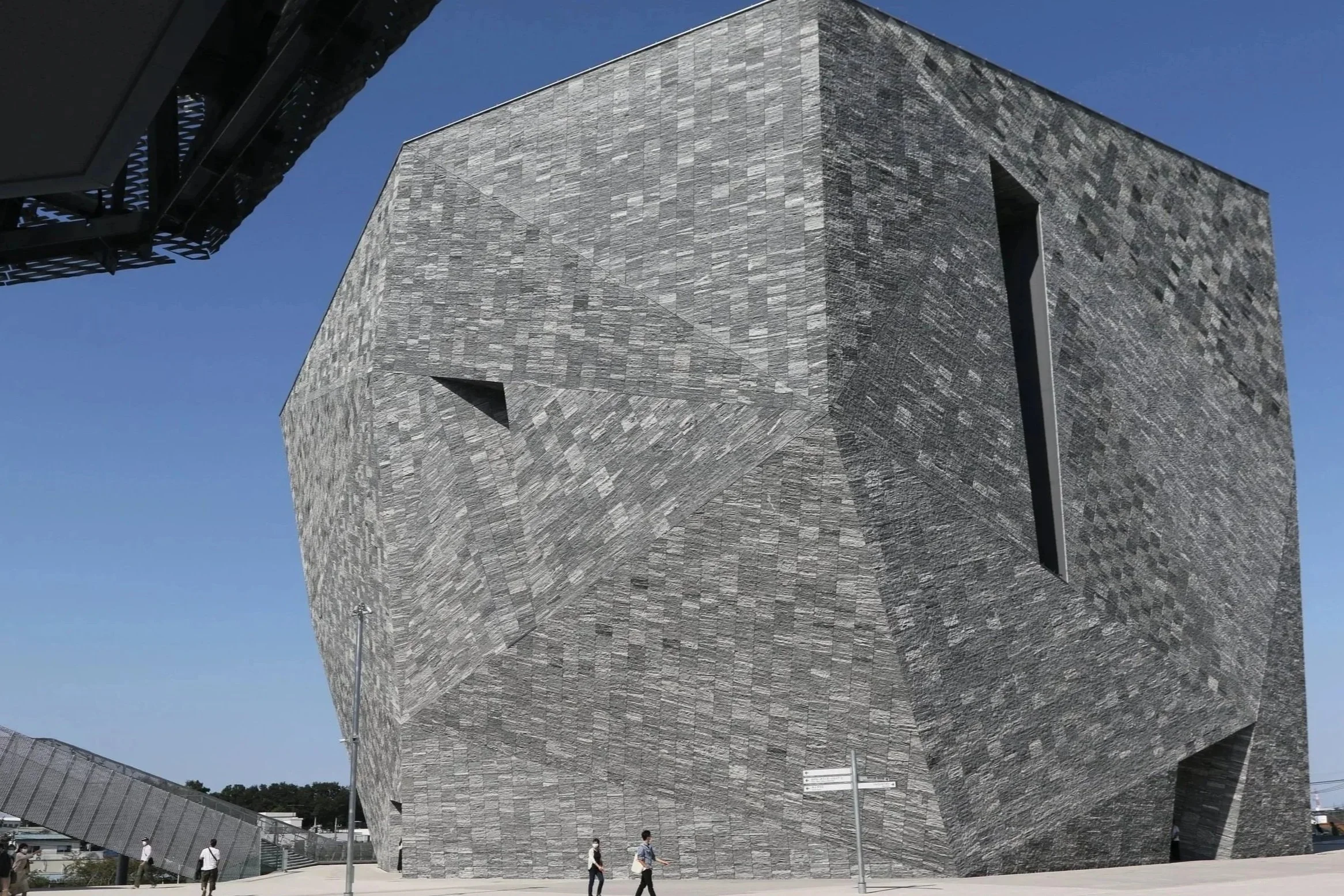
Kadokawa Musashino Museum @ Seiji Enokido, Flickr
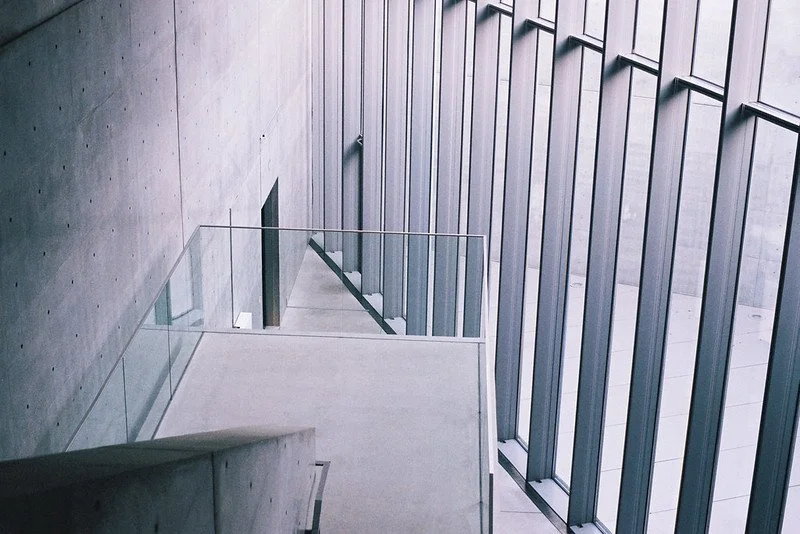
21_21 Design Site @ Yen-Chi Chen, Flickr
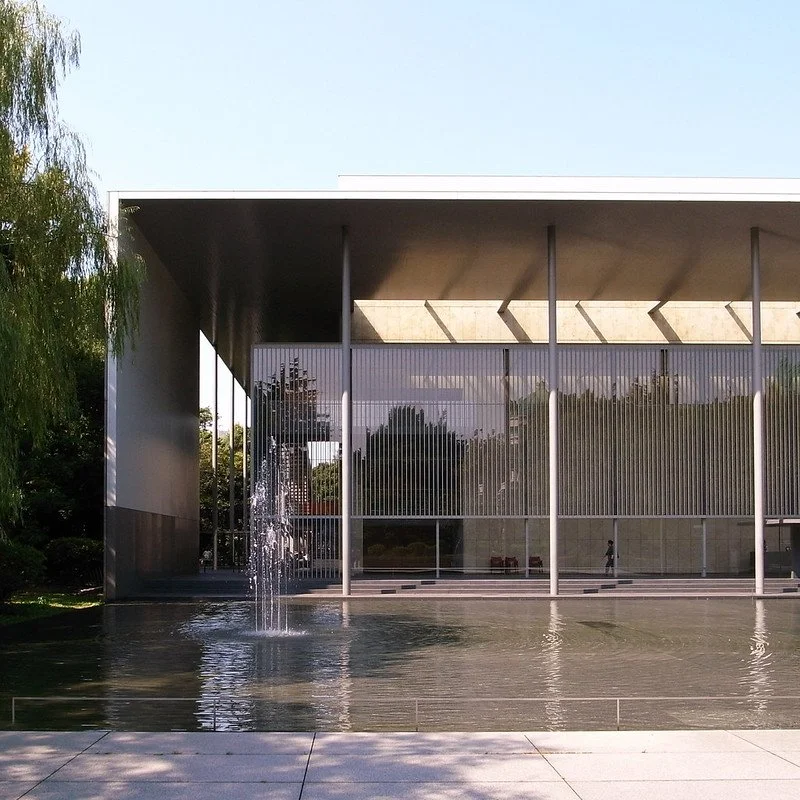
The Gallery of Horyuji Treasures @ Jesse, Flickr
Related Articles